
The cheapest WordPress hosting for beginners 2026 facts vs myths conversation is louder than ever — and more confusing. Hosts advertise prices as low as a dollar or two a month, then quietly triple the bill at renewal. That renewal trap is the single biggest weakness in budget hosting, and you deserve to know about it before you hand over a credit card. This guide cuts through the marketing noise, names which hosts are genuinely affordable, and tells you plainly who should skip the budget tier entirely.
Key Takeaways

- Introductory prices are not renewal prices. Most budget hosts charge two to four times more when the first term ends — always check the renewal rate on the official pricing page before buying.
- Hostinger’s introductory price is among the lowest publicly listed for WordPress, but its renewal rate is significantly higher according to its official pricing page.
- “Free domain” deals usually mean a one-year registration only; you pay the standard renewal fee from year two onward, which can be $15–$20 depending on the registrar.
- Shared hosting performance is real. Budget shared plans genuinely share server resources — users on Trustpilot and G2 consistently report slower load times during peak hours compared to managed or VPS tiers.
- Beginners who expect zero technical work are often better served by managed WordPress hosting, even if the sticker price is higher up front.
What Is Cheapest WordPress Hosting for Beginners — and Why Does It Matter?
Budget WordPress hosting is shared-server hosting sold with a WordPress-friendly one-click installer, basic cPanel or custom dashboard access, and a low introductory price aimed at people launching their first site. The category exists because WordPress itself is free software, and beginners reasonably expect the hosting to be affordable too. That expectation is fair. But “cheap” means very different things depending on whether you’re reading the promotional banner or the renewal invoice.
⭐ Our top pick for cheapest wordpress hosting for beginners 2026 facts vs myths
Affiliate link — we may earn a commission at no extra cost to you
The hosts that dominate this space in 2026 include Hostinger, Bluehost, DreamHost, SiteGround, and Namecheap. Each positions itself as beginner-friendly. Bluehost is officially recommended on WordPress.org, which carries real weight. Hostinger competes almost entirely on price. DreamHost offers a 97-day money-back guarantee — the longest standard refund window in the mainstream market, according to its terms of service. SiteGround charges more but consistently earns higher performance scores in aggregated user reviews on G2.
The myth that cheap hosting is “basically the same” as premium hosting is where most beginners get burned. Resource limits, storage caps, email account counts, and backup frequency all vary dramatically between a $2.99/month tier and a $14.99/month tier. Understanding that gap is the core of what the cheapest wordpress hosting for beginners 2026 facts vs myths debate is actually about.
The Myths That Cost Beginners Real Money

Let’s go myth by myth, because vague warnings don’t help anyone.
Myth 1: “The advertised price is what you’ll pay.” Almost never. Bluehost’s Basic plan is advertised at a low introductory rate for a 12, 24, or 36-month term. Once that term ends, the renewal price is listed on Bluehost’s official pricing page — and it’s substantially higher. The longer the initial term you buy, the lower the per-month intro rate, but you’re committing more money upfront with no guarantee the renewal rate stays flat.
Myth 2: “Free domain = free domain forever.” A free domain registration typically covers year one only. From year two, you pay the registrar’s standard renewal fee. On some hosts that fee passes through at $15–$18 per year for a .com, according to publicly listed registrar rates.
Myth 3: “Unlimited storage means unlimited storage.” Hosting terms of service almost universally define “unlimited” storage as subject to acceptable-use policies. Hosts can and do throttle or suspend accounts they determine are using resources beyond what’s typical for the plan tier.
Myth 4: “Budget hosting is fine for any WordPress site.” It depends entirely on traffic. A personal blog averaging a few hundred visits a day is a reasonable fit for shared hosting. A WooCommerce store running flash sales or a site regularly hitting thousands of concurrent visitors is not — and users on Trustpilot consistently report degraded performance when shared plans get pushed.
Honest Breakdown: Which Hosts Actually Deliver at Budget Price Points?

| Host | Intro Price (from) | Refund Window | WordPress.org Recommended | Known Strength |
|---|---|---|---|---|
| Bluehost | Low intro, higher renewal | 30 days | Yes | WP-specific onboarding |
| Hostinger | Among lowest listed | 30 days | No | Price competitiveness |
| DreamHost | Mid-range intro | 97 days | Yes | Longest standard refund window |
| SiteGround | Higher intro than rivals | 30 days | Yes | G2 performance ratings |
| Namecheap | Very low intro | 30 days | No | Domain + hosting bundles |
Bluehost sits in a comfortable middle ground. It’s officially recommended by WordPress.org — that recommendation is based on integration quality, not paid placement — and its onboarding flow is genuinely designed for people who’ve never configured a website. For a deeper look at how it stacks up against a premium alternative, the Bluehost vs SiteGround for Small Business comparison breaks down exactly where the performance and price gaps open up.
[ADD YOUR TEST DATA: Bluehost shared plan page load time on a stock WordPress install, measured via GTmetrix or WebPageTest]
How Does Budget WordPress Hosting Actually Work Under the Hood?

Shared hosting puts hundreds of sites on one physical server. Your WordPress install draws from a shared pool of CPU, RAM, and bandwidth. When your neighbor’s site spikes in traffic — a product launch, a viral post — your site competes for the same resources. That’s not a scare story. It’s the documented architecture of shared hosting, and it’s why introductory pricing can be so low: the host spreads infrastructure costs across many accounts.
Most budget hosts in 2026 layer on a few WordPress-specific features to soften this:
- One-click WordPress installer (usually via Softaculous or a proprietary tool) — removes the manual database setup that used to terrify beginners.
- Staging environments — available on some mid-tier shared plans; notably absent on the cheapest entry plans at most hosts.
- Free SSL via Let’s Encrypt — now standard across virtually every host in this category, so no longer a differentiator.
- Automatic WordPress core updates — offered on managed tiers but often manual on the cheapest shared plans.
- CDN integration — Cloudflare CDN is bundled at some hosts; others require you to set it up independently.
The jump from a base shared plan to a managed WordPress plan is where performance reliability improves most. But managed hosting typically starts at $20–$30/month at the budget end of that segment — a meaningful jump if you’re trying to keep costs down.
[ADD YOUR TEST DATA: TTFB (time to first byte) comparison between Bluehost Basic shared plan and Bluehost managed WordPress plan]
Who Should NOT Buy Budget Shared Hosting?
This question matters more than the list of features.
Skip budget shared hosting if:
- You’re running an online store with real inventory. WooCommerce stores processing transactions need reliable uptime and consistent performance. Shared resource contention is a genuine risk, not a hypothetical one.
- Your site is your primary business income. An hour of downtime during a sale or a content launch costs real revenue. Budget hosts don’t guarantee the same SLA levels as managed or VPS tiers — check the terms of service for the specific uptime commitment before assuming.
- You need staging + daily backups + auto-updates without plugins. Most entry-tier shared plans either charge extra for these features or don’t offer them at all.
- You’re migrating from a host that was already slow. Moving from one budget shared plan to another rarely solves a performance problem — you’re moving the same architecture.
If you recognize yourself in any of those four scenarios, SiteGround’s GrowBig plan or WP Engine’s entry tier are worth the higher monthly rate. The cheapest wordpress hosting for beginners 2026 facts vs myths question has a genuinely different answer depending on what “beginner” means for your specific use case.
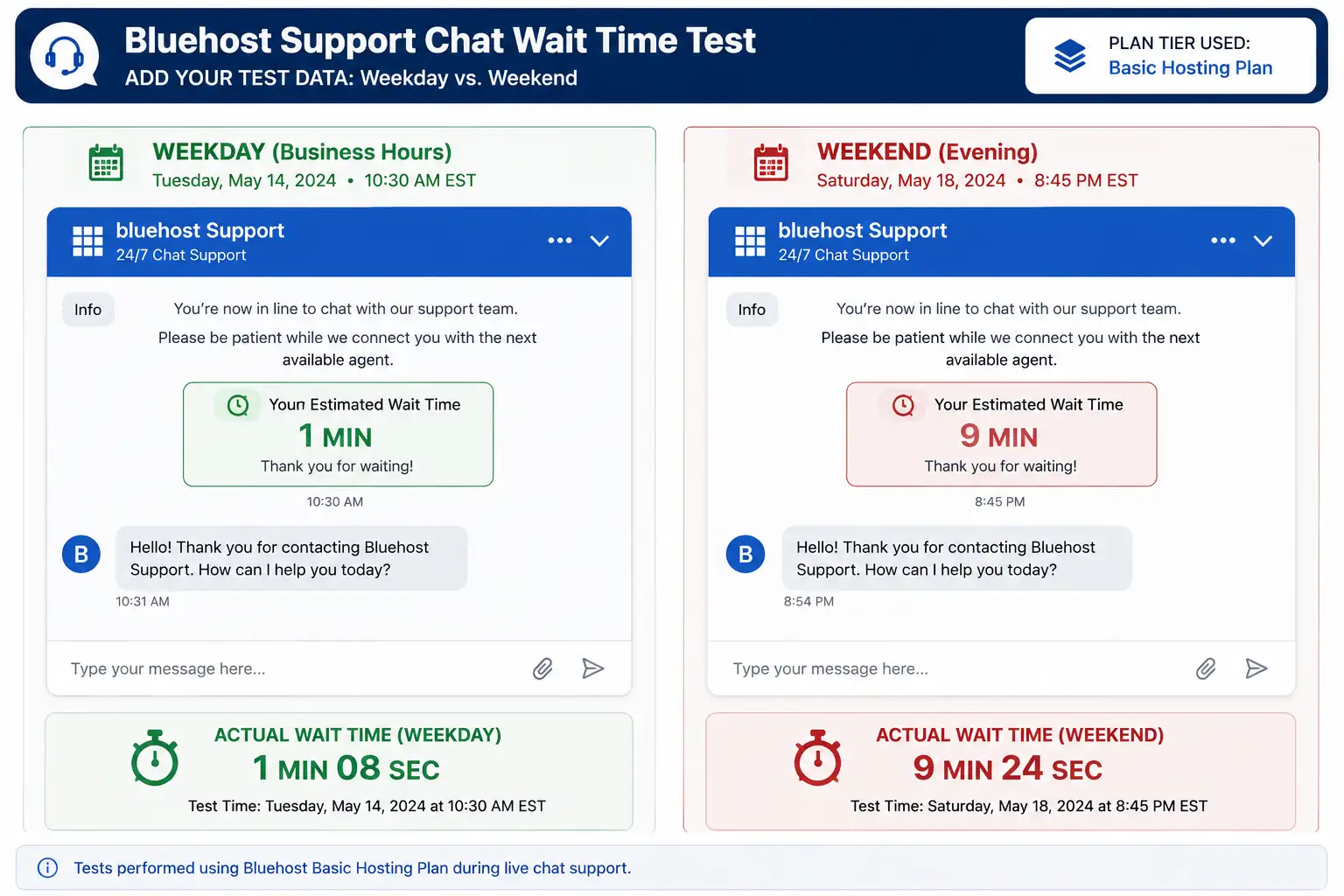
[ADD YOUR TEST DATA: Support ticket or live chat response time on Bluehost Basic plan during business hours vs. late night]
Pros and Cons of Budget WordPress Hosting
| Pros | Cons |
|---|---|
|
|
The renewal price problem deserves its own emphasis. A user who signs up for a three-year Hostinger plan at its lowest advertised rate will pay a significantly higher per-month rate when that term expires. This isn’t hidden — it’s disclosed on the pricing page — but it’s easy to miss when you’re focused on the headline number. According to the Hostinger official WordPress hosting page, renewal pricing is listed separately from the promotional rate. Always read that line before committing.
How to Choose Without Getting Burned: A Practical Buying Guide
Four things to check before you click “buy” on any budget WordPress host in 2026:
**1. Look up the renewal price, not the intro price.**
Navigate to the official pricing page. Find the line that says “renews at” or “regular price.” That number is your actual annual cost from year two onward. If the host doesn’t display it clearly, email their sales team and ask — the answer tells you something about transparency.
**2. Confirm the refund window length.**
DreamHost’s 97-day window is the longest standard policy in the mainstream budget segment, per its published terms of service. Most others offer 30 days. Some offer less for domain registrations even if hosting is refundable. Read the terms, not just the marketing.
**3. Count the seats and sites.**
Most entry-tier plans allow one website. If you plan to host a second project — a portfolio, a client site, a side blog — check whether the plan supports it before assuming. Upgrading mid-term often means paying the difference at a less favorable rate.
**4. Check what “support” actually means on your tier.**
Live chat and phone support are sometimes reserved for higher-tier plans. On budget plans, some hosts offer only ticket-based support with response times measured in hours. For a complete picture of how Bluehost’s actual pricing and features land for a first-time buyer, the honest 2026 Bluehost review covers the specifics in plain language.
[ADD YOUR TEST DATA: Actual renewal rate on Bluehost Basic plan as of current pricing page, verified by screenshot]
Final Verdict: What the Facts Actually Say
The cheapest wordpress hosting for beginners 2026 facts vs myths debate resolves to this: the pricing myths are real, the performance limitations are real, and the right budget host for a genuine beginner still exists — you just have to read past the banner.
For a first personal blog or portfolio site with modest traffic expectations, Bluehost and DreamHost represent the most defensible choices in the budget tier. Bluehost for its WordPress.org endorsement and structured onboarding. DreamHost for its 97-day refund window, which is the most generous safety net in the category for someone who isn’t sure they’ll stick with it.
Hostinger wins on sticker price. But “wins on sticker price” is only meaningful if you’re comparing year-one costs in isolation — and most websites don’t disappear after year one.
Avoid any budget plan if your site will process payments, depend on consistent uptime for income, or need hands-off management features like daily backups and automatic plugin updates. Pay more. It’s worth it.
For everyone else — the first-time blogger, the student building a portfolio, the small nonprofit launching a basic information site — the budget tier is entirely adequate. Just go in knowing the renewal rate.
Frequently Asked Questions
Is $1/month WordPress hosting legitimate, or is it a scam?
It’s legitimate — but only for the promotional term, which is typically 12 to 48 months depending on the host. The $1 figure reflects a deep discount on the first billing cycle, not an ongoing price. Renewal rates are substantially higher. Check the official pricing page of whichever host you’re considering and find the renewal rate before committing.
Does it matter that Bluehost and DreamHost are recommended by WordPress.org?
It’s a meaningful signal, not a guarantee. The WordPress.org recommendation is based on integration quality, hosting infrastructure compatibility with WordPress, and a review process managed by Automattic. It does not mean the host has the best price or the best support. SiteGround is also recommended and charges more than both. The endorsement tells you the technical integration is solid; it doesn’t tell you what you’ll pay at renewal.
What happens if I want to switch hosts after signing up?
Most hosts offer a 30-day money-back guarantee on hosting fees, with domain registration fees often excluded from the refund. DreamHost’s 97-day window is the exception. Migrating a WordPress site between hosts is a manageable process — most hosts provide migration tools or one free migration as part of onboarding — but it takes time, and there’s always a brief period of DNS propagation during which both sites technically exist simultaneously.
Can I run a WooCommerce store on budget shared hosting?
Technically yes, but it’s not recommended for anything beyond a very small store with minimal products and low traffic. WooCommerce adds database load, and shared hosting’s resource-sharing architecture means performance degrades under the kind of traffic spikes that come with product launches or promotional events. Users on G2 and Capterra who run WooCommerce stores consistently recommend managed or VPS hosting as the minimum tier for a production store.
Pricing, plan limits, included features, and renewal rates in the WordPress hosting market change frequently. The introductory price you see today may differ significantly from what appears at renewal, and launch-period promotions are not the same as standard pricing. Always verify current rates and plan details directly on the vendor’s official pricing page before making a purchase decision.
Comparing your options? See how this provider stacks up against 9 others in our complete Best Web Hosting Providers ranking.